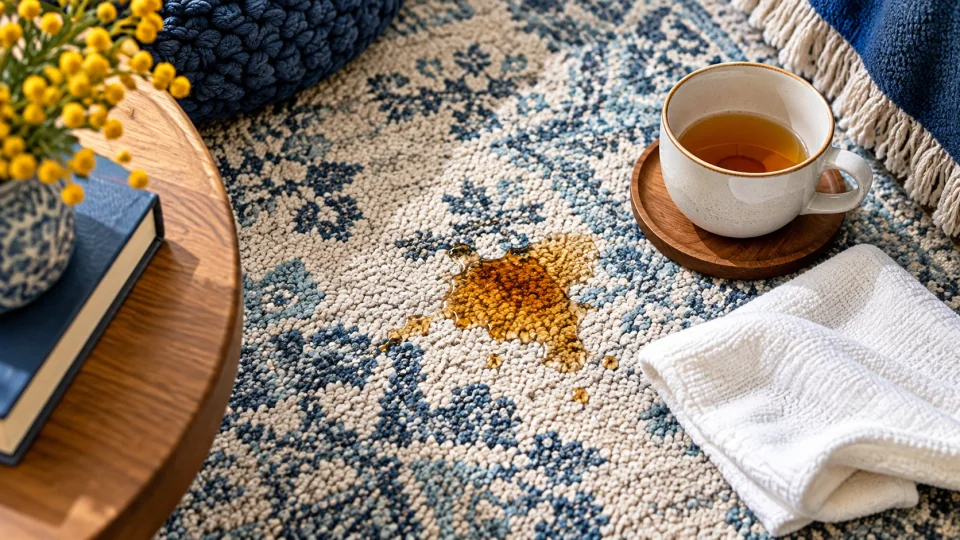
Spot and stain chart
Cautious first responses for common carpet spills, from drinks and pet accidents to gum and wax, with clear points at which to stop and get help.
Read the guide : Carpet spot and stain chartIndependent textile-care guides
Independent guides to spills, textile care and informed cleaning decisions.
Where to begin
Use the guide that matches the textile and the decision in front of you.
Cautious first responses for common carpet spills, from drinks and pet accidents to gum and wax, with clear points at which to stop and get help.
Read the guide : Carpet spot and stain chart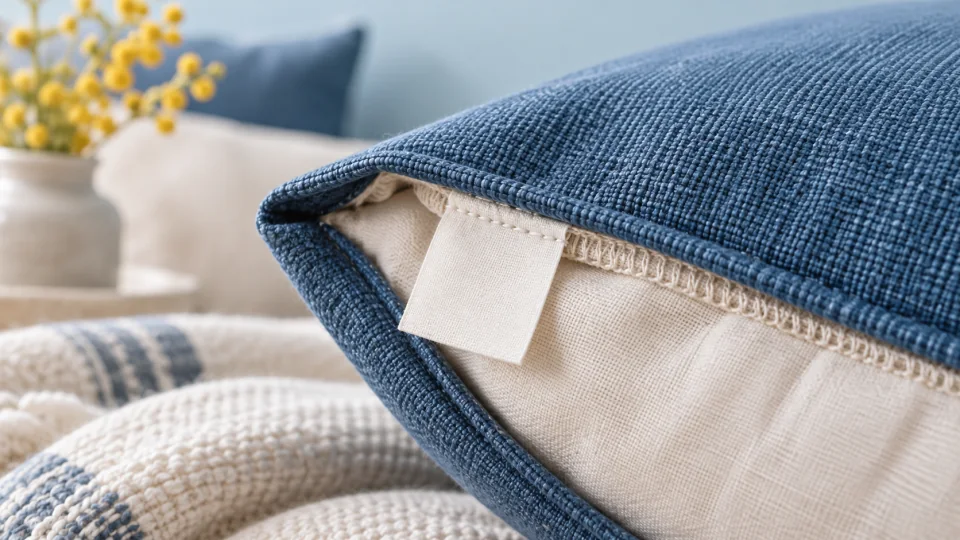
How to read upholstery cleaning codes such as W, S, WS and X, and what to check on the actual furniture before applying any cleaner.
Read the guide : Caring for upholstered furniture
What to check before a carpet, rug or upholstery stain protector is applied: manufacturer instructions, product labels, fibre compatibility and aftercare.
Read the guide : Stain protection: questions before you agree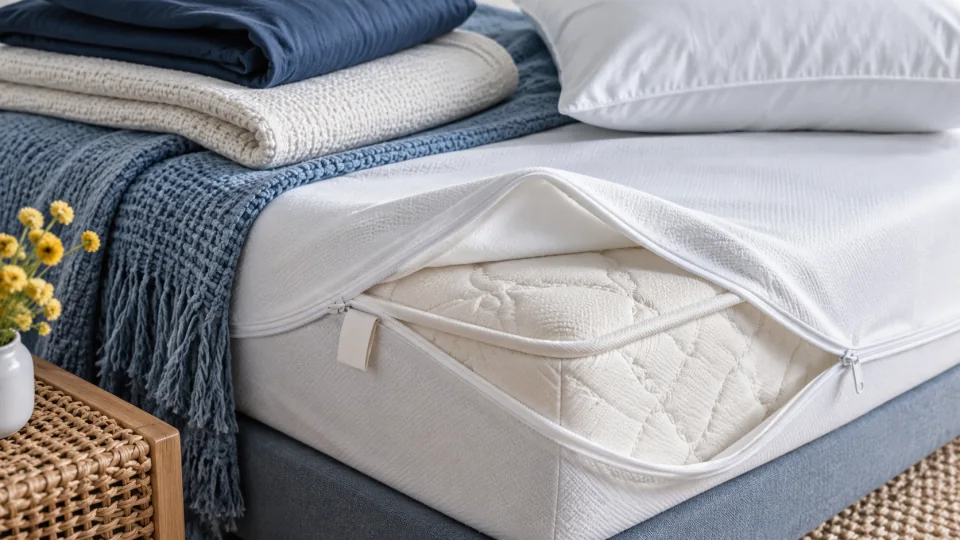
Bedding and mattress care based on CDC dust-mite guidance and the manufacturer's label, with moisture cautions and no promise of sterilisation.
Read the guide : Mattress and bedding care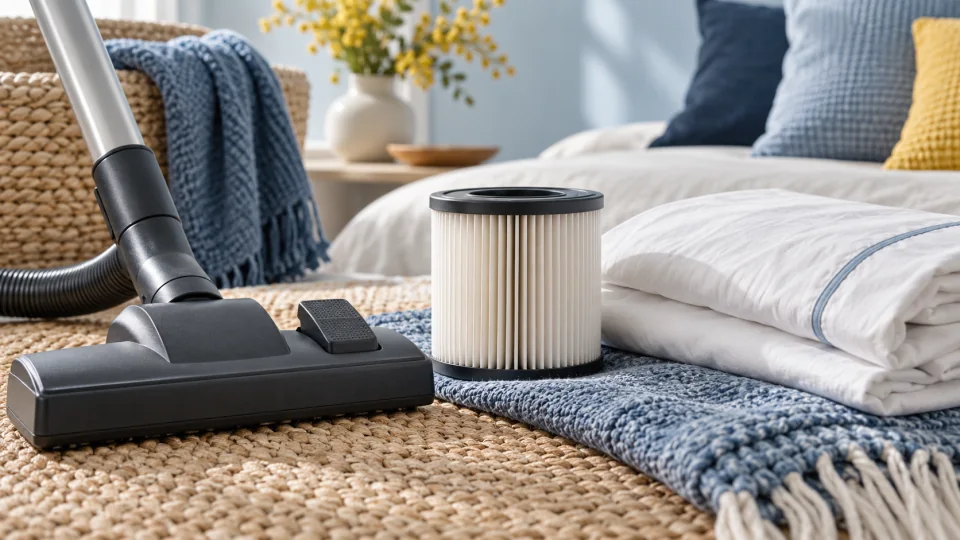
Source-based guidance on household dust, bedding, humidity, vacuuming, filters and cleaning products, with clear limits: cleaning is not an asthma treatment.
Read the guide : An allergen-aware approach to cleaning your homePlain-language guidance for keeping carpets, rugs, upholstered furniture and mattresses clean, cutting down on household dust, and hiring a cleaner with fewer surprises. It is written for homes in Toronto, Mississauga, Oakville and neighbouring communities, with planning questions for the materials and conditions in each individual home.
This is an independent information resource. It does not sell cleaning, give estimates or book appointments, and it is not connected to any business that previously used this web address. The about page explains the scope of the site.
Nothing here is medical advice. If allergies or asthma are a concern, a doctor or allergist can help identify triggers and priorities.
Each guide focuses on practical decisions and lists the references it relies on.
These guides help turn a sales conversation into written terms that can be compared.
The city guides provide different planning checklists; they do not claim that particular conditions are most common in a city.
These checks apply to most homes, but the instructions for your own carpet and equipment come first.
The advice follows the actual product instructions. Use only a permitted method and the specified quantity, and stop when colour or texture changes.
The guides describe cleaning methods and product types rather than recommending companies or brands. When a job is beyond do-it-yourself care, they explain what to ask a professional. The sources page describes the public agencies and manufacturers the guides rely on and what each is useful for.
Archived pages explain the origin of these topics; they are not evidence of current services or health outcomes.